Game Guide Collection
Gomoku Tactics: First-Move Advantage and the Open Four
2026-03-23
%22%3E%0A%20%20%20%20%20%20%3Cpath%20d%3D%22M%2048%200%20L%200%200%200%2048%22%20fill%3D%22none%22%20stroke%3D%22rgba(255%2C255%2C255%2C0.16)%22%20stroke-width%3D%221%22%2F%3E%0A%20%20%20%20%3C%2Fpattern%3E%0A%20%20%20%20%3Cfilter%20id%3D%22softShadow%22%3E%0A%20%20%20%20%20%20%3CfeDropShadow%20dx%3D%220%22%20dy%3D%2218%22%20stdDeviation%3D%2218%22%20flood-color%3D%22rgba(0%2C0%2C0%2C0.35)%22%2F%3E%0A%20%20%20%20%3C%2Ffilter%3E%0A%20%20%3C%2Fdefs%3E%0A%20%20%3Crect%20width%3D%221200%22%20height%3D%22675%22%20fill%3D%22url(%23bg)%22%2F%3E%0A%20%20%3Crect%20width%3D%221200%22%20height%3D%22675%22%20fill%3D%22url(%23grid)%22%20opacity%3D%220.48%22%2F%3E%0A%20%20%3Ccircle%20cx%3D%22259%22%20cy%3D%22-13%22%20r%3D%22190%22%20fill%3D%22rgba(255%2C255%2C255%2C0.13)%22%2F%3E%0A%20%20%3Ccircle%20cx%3D%22919%22%20cy%3D%22-26%22%20r%3D%22260%22%20fill%3D%22rgba(255%2C255%2C255%2C0.11)%22%2F%3E%0A%20%20%3Cpath%20d%3D%22M%2059%20560%20C%20250%20430%2C%20450%20650%2C%20700%20520%20S%201010%20420%2C%201240%20540%20L%201240%20720%20L%200%20720%20Z%22%20fill%3D%22rgba(15%2C23%2C42%2C0.34)%22%2F%3E%0A%20%20%3Cg%20filter%3D%22url(%23softShadow)%22%3E%0A%20%20%20%20%3Crect%20x%3D%2282%22%20y%3D%2286%22%20width%3D%221036%22%20height%3D%22503%22%20rx%3D%2234%22%20fill%3D%22rgba(255%2C255%2C255%2C0.14)%22%20stroke%3D%22rgba(255%2C255%2C255%2C0.36)%22%2F%3E%0A%20%20%20%20%3Ctext%20x%3D%22130%22%20y%3D%22178%22%20fill%3D%22%23fff7ed%22%20font-family%3D%22Inter%2C%20Arial%2C%20sans-serif%22%20font-size%3D%2234%22%20font-weight%3D%22700%22%20letter-spacing%3D%224%22%3EGAME%20GUIDE%20COLLECTION%3C%2Ftext%3E%0A%20%20%20%20%3Ctext%20fill%3D%22%23fff7ed%22%20font-family%3D%22Inter%2C%20Arial%2C%20sans-serif%22%20font-size%3D%2264%22%20font-weight%3D%22800%22%3E%3Ctspan%20x%3D%22130%22%20y%3D%22264.15999999999997%22%3EGomoku%20Tactics%3A%20First-Move%3C%2Ftspan%3E%3Ctspan%20x%3D%22130%22%20y%3D%22335.84%22%3EAdvantage%20and%20the%20Open%20Four%3C%2Ftspan%3E%3C%2Ftext%3E%0A%20%20%20%20%3Ctext%20x%3D%22130%22%20y%3D%22430%22%20fill%3D%22%23fff7ed%22%20opacity%3D%220.86%22%20font-family%3D%22Inter%2C%20Arial%2C%20sans-serif%22%20font-size%3D%2230%22%20font-weight%3D%22500%22%3EGameHub%20browser%20game%20guide%3C%2Ftext%3E%0A%20%20%20%20%3Cg%20transform%3D%22translate(918%20388)%22%3E%0A%20%20%20%20%20%20%3Crect%20width%3D%22128%22%20height%3D%22128%22%20rx%3D%2228%22%20fill%3D%22rgba(255%2C255%2C255%2C0.2)%22%20stroke%3D%22rgba(255%2C255%2C255%2C0.42)%22%2F%3E%0A%20%20%20%20%20%20%3Ccircle%20cx%3D%2264%22%20cy%3D%2264%22%20r%3D%2235%22%20fill%3D%22none%22%20stroke%3D%22%23fff7ed%22%20stroke-width%3D%2210%22%2F%3E%0A%20%20%20%20%20%20%3Cpath%20d%3D%22M57%2044%20L84%2064%20L57%2084%20Z%22%20fill%3D%22%23fff7ed%22%2F%3E%0A%20%20%20%20%3C%2Fg%3E%0A%20%20%3C%2Fg%3E%0A%3C%2Fsvg%3E)
Gomoku has simple rules: the first player to connect five stones in a row, horizontally, vertically, or diagonally, wins. Yet its tactical depth is real. The gap between beginners and strong players often comes down to understanding a few core concepts: the open three, the closed three, the four, the open four, and the double threats built from combining them. Truly grasping these terms will quickly raise your level.
First, the basic concepts. An open three is three connected stones with both ends free; if the opponent blocks only one end, your next move forms an open four. A closed three is three connected stones with one end already blocked, and it is much less threatening. A four is four connected stones, but only one end can extend to five, so the opponent must block it immediately or you win on the next move. An open four is four connected stones open on both ends; whichever end the opponent blocks, you make five from the other, so forming an open four is essentially announcing a win.
Understanding these concepts lets you judge accurately whether each move is a real threat or a bluff. Beginners often panic over a closed three that is already blocked while ignoring an unremarkable open three from the opponent. Learning to grade threats is the dividing line between playing chaotically and playing well.
The key to winning is creating a double threat. Since the opponent can only place one stone per turn, if you can form, in a single move, two threats they cannot both answer, they block one and the other completes. The most common double threat is the double open three, where one stone extends into two open threes at once; even more powerful is an open three plus a four, because the four must be blocked first, and after that the open three becomes an open four.
So a strong player’s thinking is to change the attacking goal from connecting five to creating a double threat. Before every move, think one layer deeper: can this point take part in two attacking directions at once? The intersection points where two lines cross are often the key spots for creating double threats, and you should compete for them first.
Defense matters just as much, and defense needs anticipation. Constantly scan whether the opponent has formed an open three; once one appears you must block it immediately, or the opponent’s next move makes an open four and wins. A more advanced defense is preemptive disruption: before the opponent even forms an open three, anticipate their intent and occupy the key point so the threat can never form. Building the habit of asking what the opponent’s strongest reply is before every move prevents most surprise losses.
On the first move: Gomoku has a clear first-move advantage, and under standard rules black, the first player, is theoretically favored if there is no forbidden-move restriction. So when playing black, attack actively and create continuous threats, using one four and open three after another to keep the opponent passively defending without a turn to counter. When playing white, play solidly, hold off the attack first, patiently wait for the opponent’s mistake, and then seize the chance to strike back.
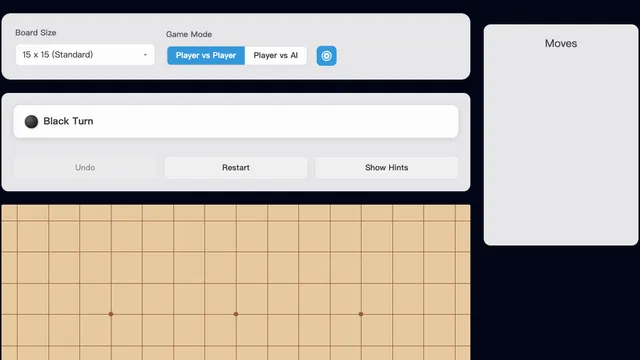
The best way to put these tactics into practice is repeated play. Use our Gomoku games often and deliberately practice recognizing open threes, calculating fours, and finding double-threat intersections. At first you will need to count cell by cell, but with more practice the key points gradually become visible at a glance. When you can see the opponent’s threat level the instant they place a stone, you have become a competent Gomoku player.