Game Recommendations
How to Improve Typing Speed: Accuracy First, Speed Second
2026-04-18
%22%3E%0A%20%20%20%20%20%20%3Cpath%20d%3D%22M%2048%200%20L%200%200%200%2048%22%20fill%3D%22none%22%20stroke%3D%22rgba(255%2C255%2C255%2C0.16)%22%20stroke-width%3D%221%22%2F%3E%0A%20%20%20%20%3C%2Fpattern%3E%0A%20%20%20%20%3Cfilter%20id%3D%22softShadow%22%3E%0A%20%20%20%20%20%20%3CfeDropShadow%20dx%3D%220%22%20dy%3D%2218%22%20stdDeviation%3D%2218%22%20flood-color%3D%22rgba(0%2C0%2C0%2C0.35)%22%2F%3E%0A%20%20%20%20%3C%2Ffilter%3E%0A%20%20%3C%2Fdefs%3E%0A%20%20%3Crect%20width%3D%221200%22%20height%3D%22675%22%20fill%3D%22url(%23bg)%22%2F%3E%0A%20%20%3Crect%20width%3D%221200%22%20height%3D%22675%22%20fill%3D%22url(%23grid)%22%20opacity%3D%220.48%22%2F%3E%0A%20%20%3Ccircle%20cx%3D%22331%22%20cy%3D%22-73%22%20r%3D%22190%22%20fill%3D%22rgba(255%2C255%2C255%2C0.13)%22%2F%3E%0A%20%20%3Ccircle%20cx%3D%22911%22%20cy%3D%22-59%22%20r%3D%22260%22%20fill%3D%22rgba(255%2C255%2C255%2C0.11)%22%2F%3E%0A%20%20%3Cpath%20d%3D%22M%2051%20560%20C%20250%20430%2C%20450%20650%2C%20700%20520%20S%201010%20420%2C%201240%20540%20L%201240%20720%20L%200%20720%20Z%22%20fill%3D%22rgba(15%2C23%2C42%2C0.34)%22%2F%3E%0A%20%20%3Cg%20filter%3D%22url(%23softShadow)%22%3E%0A%20%20%20%20%3Crect%20x%3D%2282%22%20y%3D%2286%22%20width%3D%221036%22%20height%3D%22503%22%20rx%3D%2234%22%20fill%3D%22rgba(255%2C255%2C255%2C0.14)%22%20stroke%3D%22rgba(255%2C255%2C255%2C0.36)%22%2F%3E%0A%20%20%20%20%3Ctext%20x%3D%22130%22%20y%3D%22178%22%20fill%3D%22%23fff7ed%22%20font-family%3D%22Inter%2C%20Arial%2C%20sans-serif%22%20font-size%3D%2234%22%20font-weight%3D%22700%22%20letter-spacing%3D%224%22%3EGAME%20RECOMMENDATIONS%3C%2Ftext%3E%0A%20%20%20%20%3Ctext%20fill%3D%22%23fff7ed%22%20font-family%3D%22Inter%2C%20Arial%2C%20sans-serif%22%20font-size%3D%2260%22%20font-weight%3D%22800%22%3E%3Ctspan%20x%3D%22130%22%20y%3D%22266.4%22%3EHow%20to%20Improve%20Typing%20Speed%3A%3C%2Ftspan%3E%3Ctspan%20x%3D%22130%22%20y%3D%22333.59999999999997%22%3EAccuracy%20First%2C%20Speed%20Second%3C%2Ftspan%3E%3C%2Ftext%3E%0A%20%20%20%20%3Ctext%20x%3D%22130%22%20y%3D%22430%22%20fill%3D%22%23fff7ed%22%20opacity%3D%220.86%22%20font-family%3D%22Inter%2C%20Arial%2C%20sans-serif%22%20font-size%3D%2230%22%20font-weight%3D%22500%22%3EGameHub%20browser%20game%20guide%3C%2Ftext%3E%0A%20%20%20%20%3Cg%20transform%3D%22translate(918%20388)%22%3E%0A%20%20%20%20%20%20%3Crect%20width%3D%22128%22%20height%3D%22128%22%20rx%3D%2228%22%20fill%3D%22rgba(255%2C255%2C255%2C0.2)%22%20stroke%3D%22rgba(255%2C255%2C255%2C0.42)%22%2F%3E%0A%20%20%20%20%20%20%3Ccircle%20cx%3D%2264%22%20cy%3D%2264%22%20r%3D%2235%22%20fill%3D%22none%22%20stroke%3D%22%23fff7ed%22%20stroke-width%3D%2210%22%2F%3E%0A%20%20%20%20%20%20%3Cpath%20d%3D%22M57%2044%20L84%2064%20L57%2084%20Z%22%20fill%3D%22%23fff7ed%22%2F%3E%0A%20%20%20%20%3C%2Fg%3E%0A%20%20%3C%2Fg%3E%0A%3C%2Fsvg%3E)
Typing speed is a skill you can train reliably, and almost anyone can reach a solid level with the right method. But many people practice for a long time without progress, and the reason is usually not a lack of effort but a wrong order: they chase speed from the start, then go back to fix accuracy once there are too many errors. The correct order is the opposite. Build solid accuracy first, and speed will follow naturally.
Why prioritize accuracy? Because every mistyped key requires pressing backspace to delete it and then typing it again, and the time spent on that round trip far exceeds the time you would have saved by typing a little slower and getting it right the first time. A person with 99% accuracy, even if their raw keystrokes are slower, often has a higher effective speed than someone with 90% accuracy who races for speed. Errors are the true enemy of speed.
The foundation is correct finger placement and the home row. Rest both index fingers on the F and J keys; most keyboards have small raised bumps on these two keys so you can locate them without looking. The other fingers fall naturally onto adjacent keys on the same row, and each finger is responsible for a fixed set of keys without crossing into another’s territory.
When you first use standard finger placement, it will feel awkward, and you may even be slower than your old two-finger pecking. This is completely normal, and almost everyone goes through this stage. Please push through it: standard finger placement is the only foundation for touch typing, and giving it up means giving up your real room to speed up.
Next, practice touch typing, meaning typing without looking at the keyboard at all. Cover your hands with a cloth or a sheet of paper to force yourself to find keys from memory alone. When you make a mistake, do not panic; slow down, find the right key, and continue. The goal of this stage is not speed but building the finger-to-letter muscle memory so the movement for each letter becomes instinct. A temporary drop in speed during this period is a necessary part of the path.
Once accuracy holds steady above 95%, start working deliberately on speed. The core of speeding up is rhythm: a smooth, even keystroke tempo is far more efficient than racing in bursts and stalling. Imagine playing along to a metronome, keeping the interval between keys as consistent as possible. The moment you notice yourself making frequent mistakes again just to go fast, deliberately slow back down to a speed that keeps you accurate.
Also pay attention to posture while practicing. Sit up straight, do not rest your wrists on the desk for long stretches, and keep your shoulders relaxed. Poor posture not only tires you faster but can, over the long term, cause wrist discomfort that undermines the consistency of your practice. Short, well-postured practice beats long, awkward grinding.
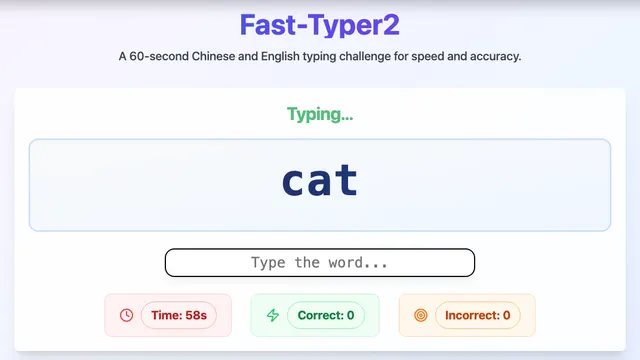
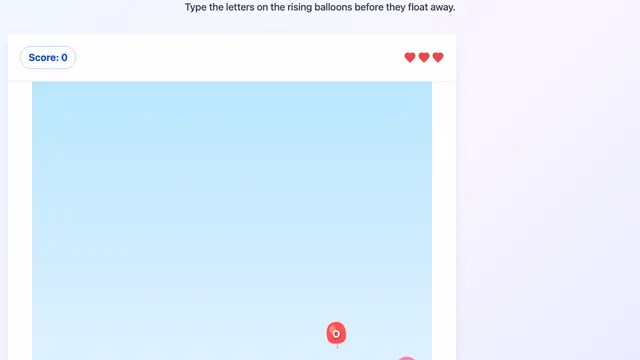
Making practice fun is the key to sticking with it long term. Our Fast Typing and Balloon Typing games package dull drills as games, using scoring, time limits, and continuously falling targets to give you instant feedback, so you practice without noticing while you play. Practice for a fixed ten to fifteen minutes each day; consistent short sessions work far better than an occasional multi-hour marathon. Keep it up for a few weeks and you will clearly feel your progress.