Game Recommendations
Why Play Puzzle Games: Brain Exercise in Spare Moments
2026-04-30
%22%3E%0A%20%20%20%20%20%20%3Cpath%20d%3D%22M%2048%200%20L%200%200%200%2048%22%20fill%3D%22none%22%20stroke%3D%22rgba(255%2C255%2C255%2C0.16)%22%20stroke-width%3D%221%22%2F%3E%0A%20%20%20%20%3C%2Fpattern%3E%0A%20%20%20%20%3Cfilter%20id%3D%22softShadow%22%3E%0A%20%20%20%20%20%20%3CfeDropShadow%20dx%3D%220%22%20dy%3D%2218%22%20stdDeviation%3D%2218%22%20flood-color%3D%22rgba(0%2C0%2C0%2C0.35)%22%2F%3E%0A%20%20%20%20%3C%2Ffilter%3E%0A%20%20%3C%2Fdefs%3E%0A%20%20%3Crect%20width%3D%221200%22%20height%3D%22675%22%20fill%3D%22url(%23bg)%22%2F%3E%0A%20%20%3Crect%20width%3D%221200%22%20height%3D%22675%22%20fill%3D%22url(%23grid)%22%20opacity%3D%220.48%22%2F%3E%0A%20%20%3Ccircle%20cx%3D%22239%22%20cy%3D%22-34%22%20r%3D%22190%22%20fill%3D%22rgba(255%2C255%2C255%2C0.13)%22%2F%3E%0A%20%20%3Ccircle%20cx%3D%22899%22%20cy%3D%22-14%22%20r%3D%22260%22%20fill%3D%22rgba(255%2C255%2C255%2C0.11)%22%2F%3E%0A%20%20%3Cpath%20d%3D%22M%2039%20560%20C%20250%20430%2C%20450%20650%2C%20700%20520%20S%201010%20420%2C%201240%20540%20L%201240%20720%20L%200%20720%20Z%22%20fill%3D%22rgba(15%2C23%2C42%2C0.34)%22%2F%3E%0A%20%20%3Cg%20filter%3D%22url(%23softShadow)%22%3E%0A%20%20%20%20%3Crect%20x%3D%2282%22%20y%3D%2286%22%20width%3D%221036%22%20height%3D%22503%22%20rx%3D%2234%22%20fill%3D%22rgba(255%2C255%2C255%2C0.14)%22%20stroke%3D%22rgba(255%2C255%2C255%2C0.36)%22%2F%3E%0A%20%20%20%20%3Ctext%20x%3D%22130%22%20y%3D%22178%22%20fill%3D%22%23fafafa%22%20font-family%3D%22Inter%2C%20Arial%2C%20sans-serif%22%20font-size%3D%2234%22%20font-weight%3D%22700%22%20letter-spacing%3D%224%22%3EGAME%20RECOMMENDATIONS%3C%2Ftext%3E%0A%20%20%20%20%3Ctext%20fill%3D%22%23fafafa%22%20font-family%3D%22Inter%2C%20Arial%2C%20sans-serif%22%20font-size%3D%2260%22%20font-weight%3D%22800%22%3E%3Ctspan%20x%3D%22130%22%20y%3D%22266.4%22%3EWhy%20Play%20Puzzle%20Games%3A%20Brain%3C%2Ftspan%3E%3Ctspan%20x%3D%22130%22%20y%3D%22333.59999999999997%22%3EExercise%20in%20Spare%20Moments%3C%2Ftspan%3E%3C%2Ftext%3E%0A%20%20%20%20%3Ctext%20x%3D%22130%22%20y%3D%22430%22%20fill%3D%22%23fafafa%22%20opacity%3D%220.86%22%20font-family%3D%22Inter%2C%20Arial%2C%20sans-serif%22%20font-size%3D%2230%22%20font-weight%3D%22500%22%3EGameHub%20browser%20game%20guide%3C%2Ftext%3E%0A%20%20%20%20%3Cg%20transform%3D%22translate(918%20388)%22%3E%0A%20%20%20%20%20%20%3Crect%20width%3D%22128%22%20height%3D%22128%22%20rx%3D%2228%22%20fill%3D%22rgba(255%2C255%2C255%2C0.2)%22%20stroke%3D%22rgba(255%2C255%2C255%2C0.42)%22%2F%3E%0A%20%20%20%20%20%20%3Ccircle%20cx%3D%2264%22%20cy%3D%2264%22%20r%3D%2235%22%20fill%3D%22none%22%20stroke%3D%22%23fafafa%22%20stroke-width%3D%2210%22%2F%3E%0A%20%20%20%20%20%20%3Cpath%20d%3D%22M57%2044%20L84%2064%20L57%2084%20Z%22%20fill%3D%22%23fafafa%22%2F%3E%0A%20%20%20%20%3C%2Fg%3E%0A%20%20%3C%2Fg%3E%0A%3C%2Fsvg%3E)
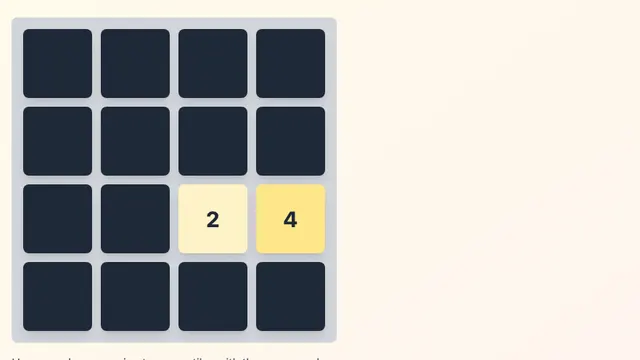
Puzzle games are often treated as a pure way to pass time, seemingly with no connection to anything meaningful. But if you look at it differently, playing puzzle games in moderation is actually a low-cost, anytime form of light brain exercise. Games like Sudoku, Minesweeper, 2048, and Sokoban ask players to observe information, reason about cause and effect, and plan steps, and these are exactly the core ways of thinking we use repeatedly in everyday work and study.
The most direct benefit of puzzle games is training focus. A round of Sudoku or a level of Sokoban requires you to lock your attention onto the problem at hand for a continuous stretch of time and actively shut out outside distractions. In an era where information is constantly pushed at us and attention is easily interrupted, the very ability to enter this state of short-term deep focus is a skill worth practicing.
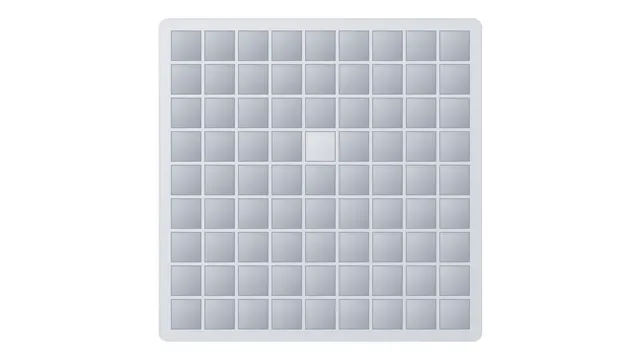
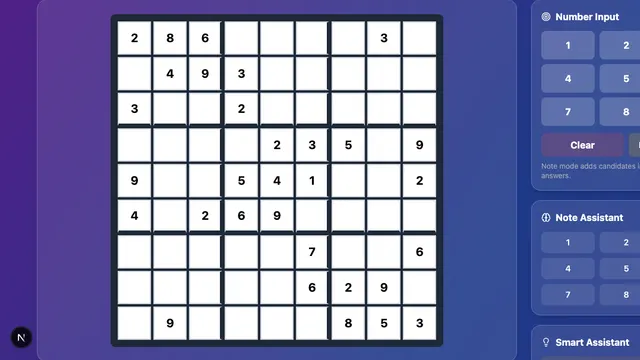
The second benefit is exercising logical reasoning. Quality puzzle games share a common trait: the answer is entirely hidden in the known information and does not depend on luck. Minesweeper’s mines are determined by the numbers, a Sudoku solution is determined by the rule constraints, and a Sokoban clearing route is determined by the terrain. Playing such games repeatedly subtly builds a good habit of gathering and analyzing information before drawing a conclusion, rather than rushing to guess. Once formed, this habit naturally transfers to decisions outside the game.
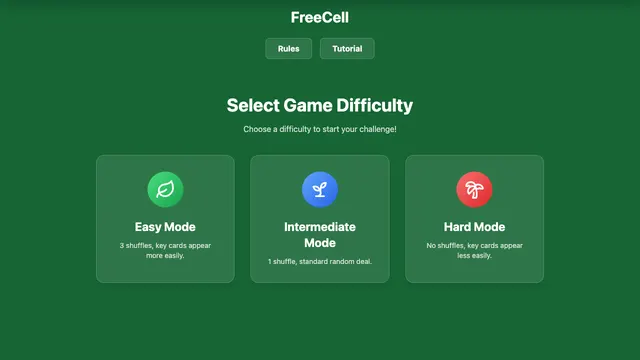
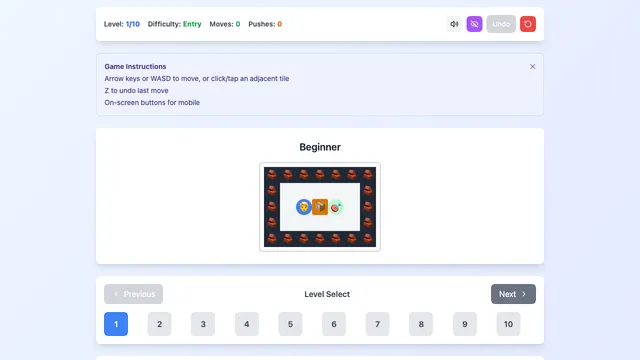
The third benefit is improving planning ability and patience. Games like Sokoban and FreeCell punish impulsiveness: one wrong move may mean starting over. The more you play, the more you get used to rehearsing in your head before acting, and the more you can tolerate temporarily not acting for the sake of a better outcome. This ability to delay gratification and plan ahead is just as valuable in life.
Puzzle games are also a fairly healthy way to relax. The pace is entirely yours to control; with no time pressure, you can think slowly and try repeatedly. And when you work out a hard problem or clear a level that stumped you for a long time, that sense of having solved it yourself relieves stress very effectively and brings positive emotion.
Compared with passively scrolling a feed or watching short videos, actively solving puzzles has a subtle but important difference: after scrolling a feed people often feel empty and tired, while after solving a puzzle people feel they just accomplished something. Both are rest, but the latter gives the brain a more genuine sense of satisfaction.
Of course, even good things require moderation. The healthy way to play puzzle games is to treat them as a flavoring for spare moments, not a filler for large blocks of time. Playing a few rounds during a commute, a lunch break, or between two stretches of focused work, to let the brain switch states, is the ideal approach. Long continuous play instead brings fatigue and loses the meaning of a break.
When choosing puzzle games, you can prioritize three things: whether the rules are clear, whether loading is stable, and whether the process gets interrupted. A good puzzle game should let you focus on thinking itself, rather than being distracted by pop-ups, stutters, or complicated controls. Pick one or two that interest you from GameHub’s puzzle category and let them become that small, relaxing, focused, and worthwhile part of your day; that may be the plainest and most real value of puzzle games.